
National Careers Week: The People Powering The Future Of Data Centres
As digital demand grows with HPC and AI-focused workloads becoming the new standard, the data centre industry is quickly evolving to suit this AI era. However, behind every facility are teams of engineers, technicians and specialists responsible for ensuring that complex systems perform reliably and safely from their foundation to their delivery handover. Commissioning plays a crucial role in that process, yet it remains a career path that many people still know very little about.
That’s where recognition in National Careers Week presents a vital opportunity to make new infrastructure possible. At Global Commissioning, our teams range from placement students entering the industry to senior specialists responsible for operational delivery. Their experiences highlight the opportunities available and the importance of developing the next generation of talent.
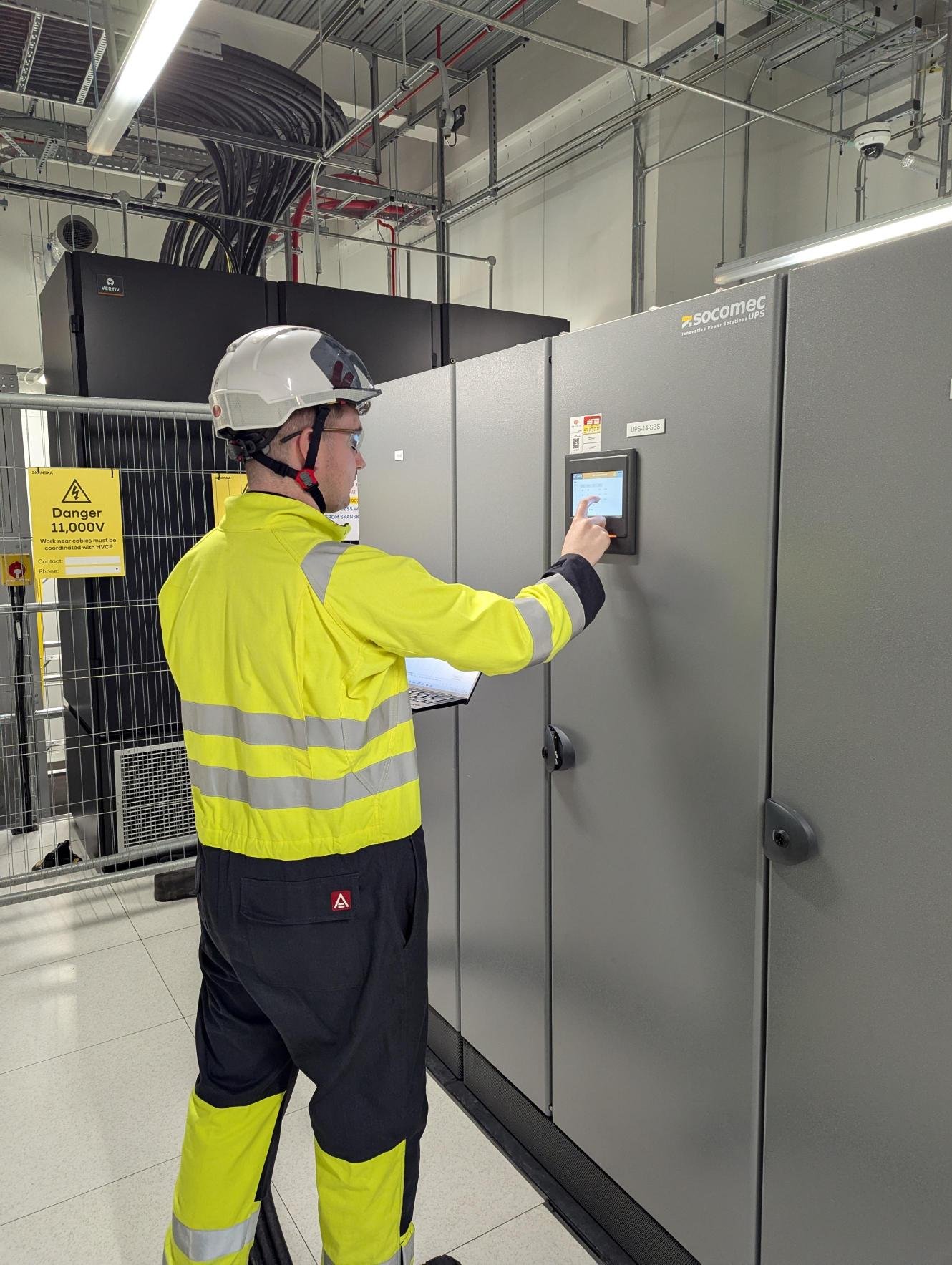
Finding A Pathway into the Data Centre Industry
It can sometimes be a challenge to find the right pathway into the commissioning industry.
Josh Hancill, a Junior Commissioning Engineer currently completing a placement year with Global Commissioning as part of his Electrical and Electronic Engineering degree, originally set out simply to gain practical experience.
“I’d always planned to do a placement year since I started university, but it was never specifically in the data centre industry,” he explains. “Global Commissioning came up as an opportunity, and it turned out to be a really good fit.”
Since joining the team, Josh has gained hands-on experience to live projects, supporting commissioning activities, reviewing documentation, receiving mentorship and learning directly from experienced engineers on site. Alongside technical learning, the experience has reinforced the importance of professional skills such as communication, organisation and attention to detail, which are all essential qualities in commissioning.
But the main piece of advice that Josh says is to get familiar with what a data centre actually is and not go in blind.
“Take the time to understand how everything runs and connects by reading drawings, getting to grips with tagging systems, and understanding the different testing levels. It's also worth knowing that there are alternative routes in - if you have experience working on some of the equipment or software used in data centres, which can be a way in even without a traditional commissioning background.”
Learning Commissioning Through Experience
While early career opportunities provide an entry point, commissioning is a discipline that develops over time through experience. Liam Cunningham, Regional Operations Manager at Global Commissioning, reflects on how quickly careers can evolve within the industry.
“The AI infrastructure requirements of these projects are going to be very challenging, the power needs, the new technologies coming in,” Liam says, “We don't really know what the next five to ten years is going to look like, but it's moving fast.”
For the next generation to understand all the elements for commissioning, team culture and collaboration are vital. At Global Commissioning, there are team collaboration groups that contribute to inspiring a culture where everyone is heard.
“It doesn't matter who you are, you could message an exec or one of the engineers and you'd get a response. That accessibility means a lot. Everyone is always there to help.”

The Future of Commissioning
Commissioning Manager, Oliver Lowes, explains how commissioning still remains one of the lesser-known disciplines within the construction and engineering sectors, but it can be hard for new talent to get in.
“It can be a harsh environment, and you need to know going in that you can handle that. It's a great industry with fantastic people, but it's not for everyone.”
With AI being one of the main focuses of the year, liquid cooling and small modular nuclear reactors are also becoming the next key element to the industry.
Oliver adds: “By the time a data centre that was designed four years ago is actually finished, the client already wants to change it to accommodate the next generation of hardware. But the core problem is that demand is enormous and supply just isn't there yet.”
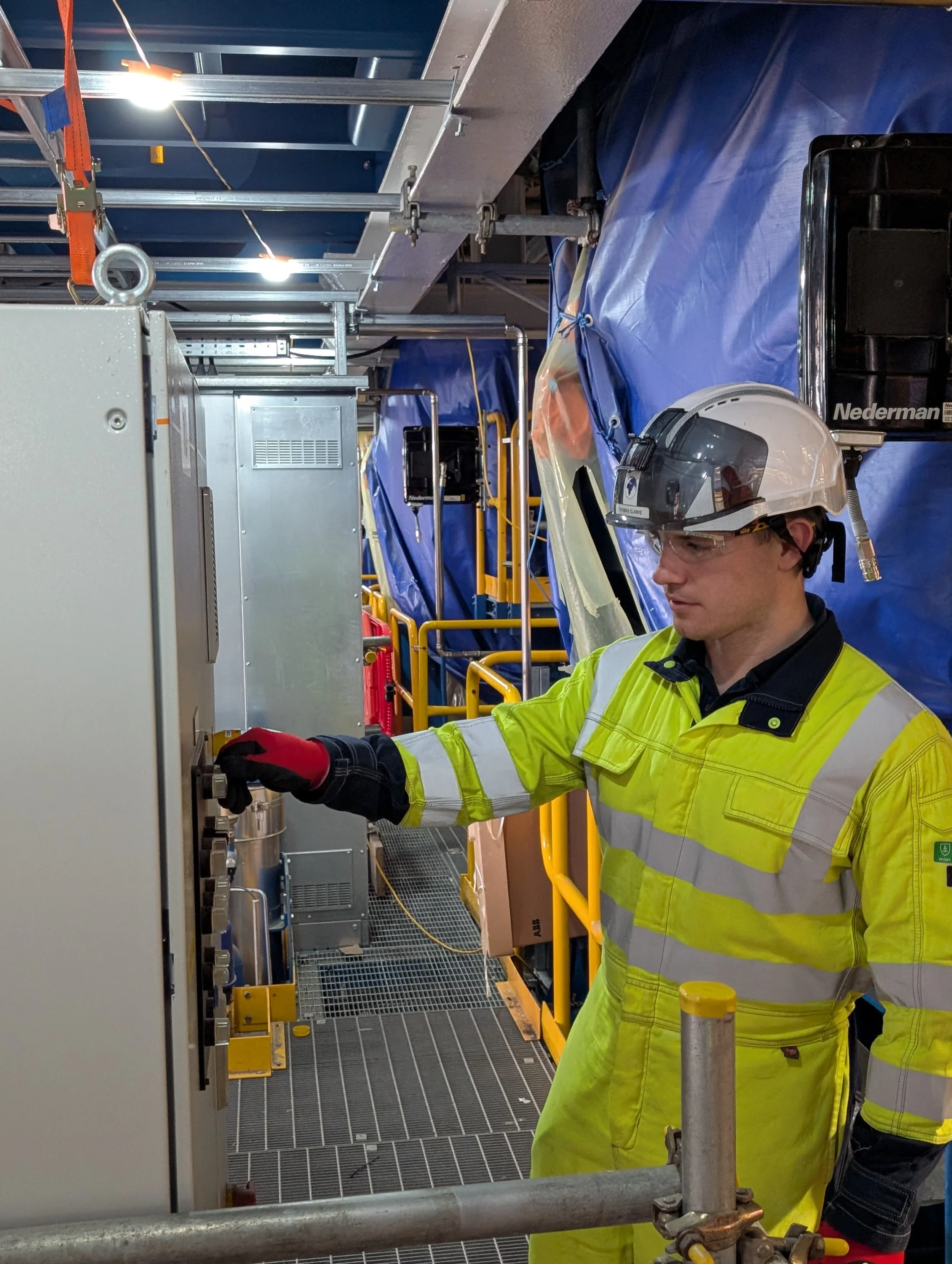
Skills, growth, and development are what businesses must consider for successful commissioning projects. But Tom Clarke, Senior Authorised Person (SAP), emphasises the psychology and communication are essential to his role and the overall industry.
“You have to understand the physics to know the danger, but you must also understand the psychology to manage the people around that danger. In a high-pressure environment, this means having the confidence to tell a project manager 'No' if the safety conditions aren't met. You have to deliver that message with authority and clarity ensuring everyone understands that the 'No' isn't a hurdle, but a necessary safeguard for their lives.”
Investing in the next generation
As the demand for digital infrastructure continues to grow and data centres are becoming more technologically advanced, creating new opportunities for those entering the industry today is crucial to the next step in digital transformation.
At Global Commissioning, investing in people is central to maintaining the high standards the industry depends on. From placement opportunities to leadership development, building the next generation of expertise is essential to supporting the future of digital infrastructure.